
Many buyers of Asian amulets ask whether these items must touch bare skin to hold their significance, or if wearing them outside a shirt is acceptable. The direct answer is that both methods are completely fine. The choice of how to wear your amulet should be based on the physical material of the piece, the specific cultural etiquette attached to it, and your everyday comfort. Whether you own a carved jade pendant, a metal talisman, or a delicate cloth charm, understanding how these materials react to wear and tear will help you make the best decision for your daily routine.
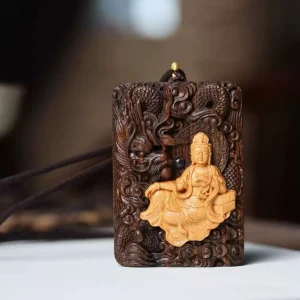
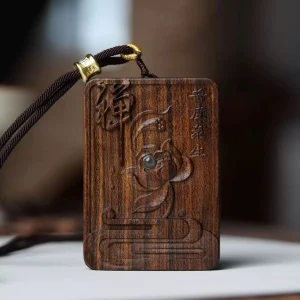
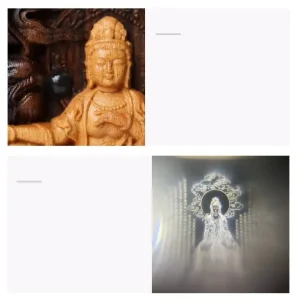
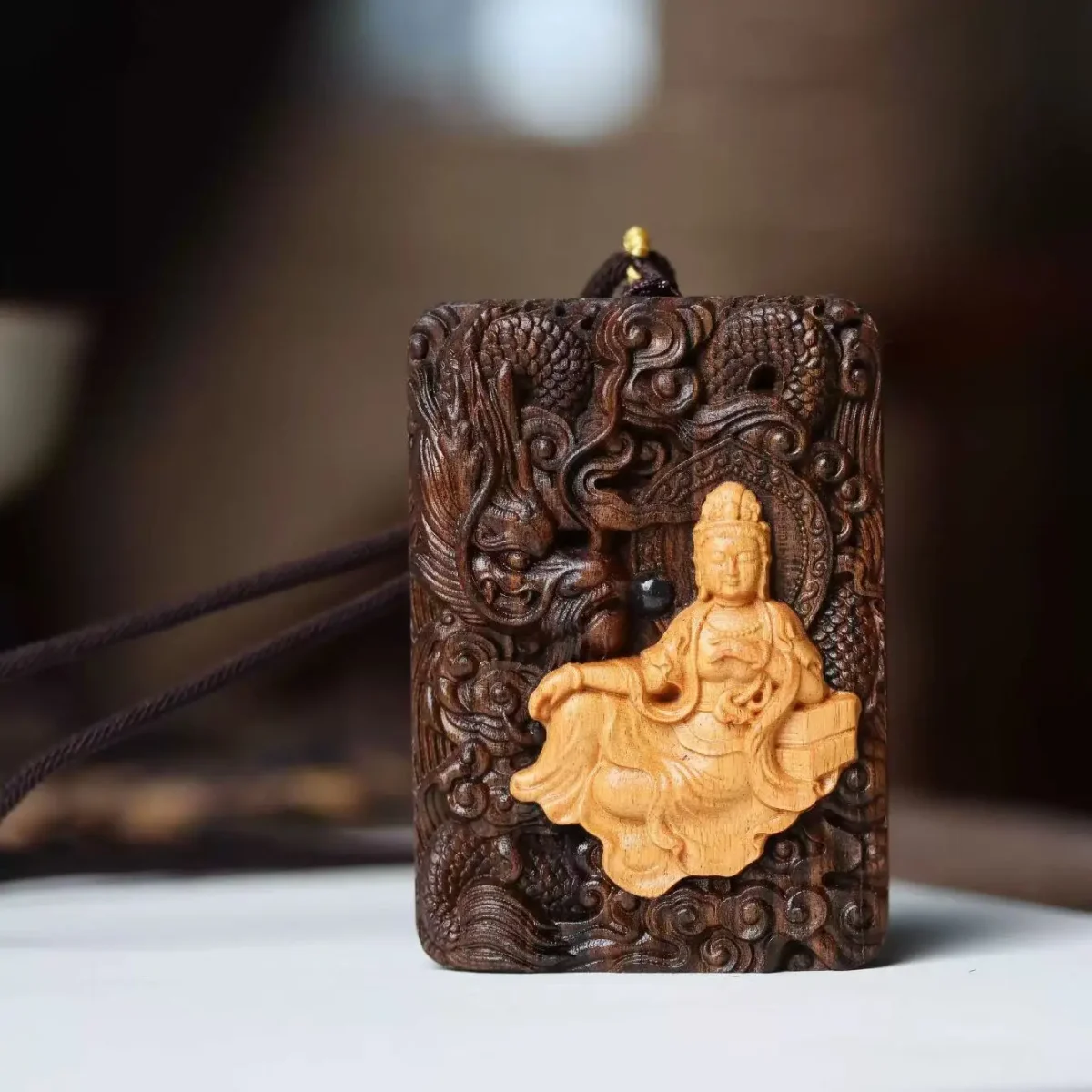
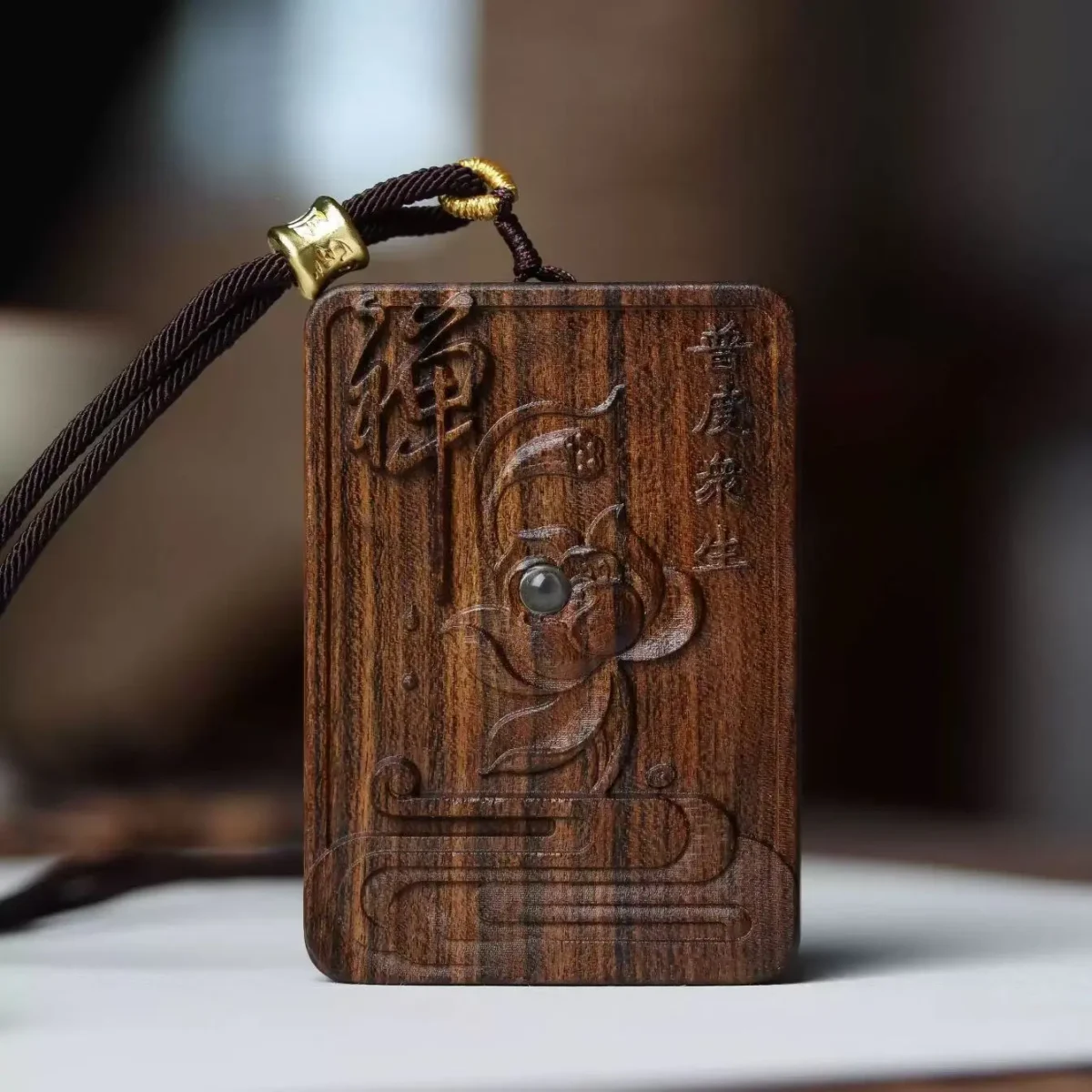
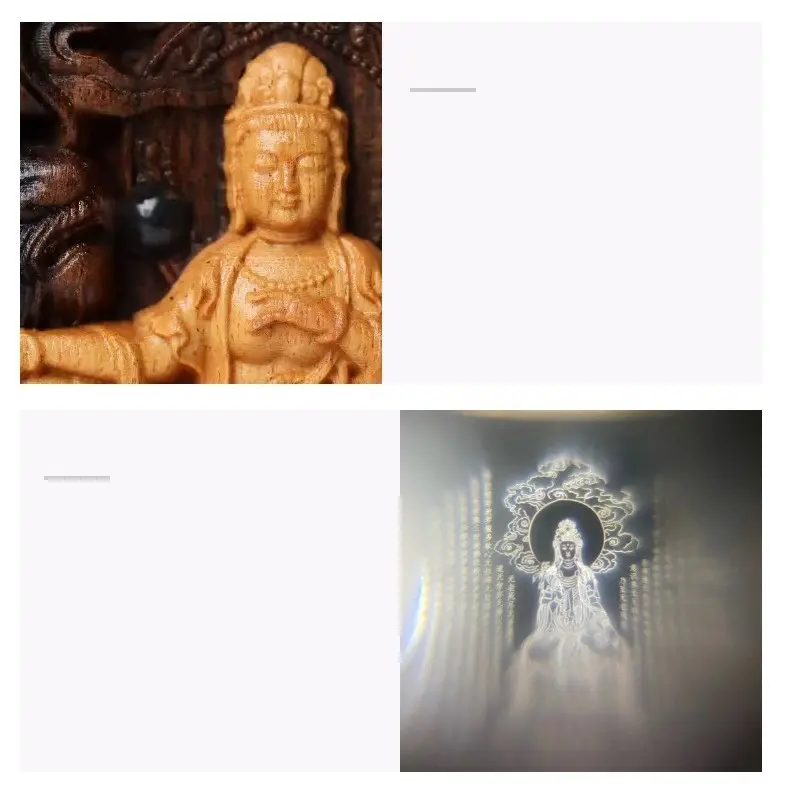
Intricate Agarwood Guanyin Riding Dragon Pendant
-
Ideal Dimensions: Approximately 7 x 5 x 1.2 cm (2.76 x 1.97 x 0.47 inches), making it an excellent size for comfortable daily wear.
-
Premium Material: Crafted from textured agarwood, featuring a beautiful visual contrast between the deeply carved dark wood and the lighter central figure.
-
Hidden Micro-Image: Includes a special central bead that reveals a detailed, hidden image of Guanyin when you bring your eye close to it.
The Case for Direct Skin Contact: Material Care and Personal Connection
In Asian culture, wearing an amulet directly against the skin is a traditional practice, but the reasons behind it are often highly practical rather than purely mystical. One of the primary reasons people wear items under their clothing comes down to the physical properties of natural materials like jade, obsidian, and unsealed wood.
There is a well-known Chinese proverb that translates to, “People nourish jade, and jade nourishes people.” While this has cultural and symbolic meanings, it is fundamentally based on a physical reality. Jade and many other natural stones are slightly porous. When these stones rest directly against your bare skin, they absorb the natural, subtle oils produced by your body. Over months and years of daily wear, this constant contact acts as a gentle, continuous polishing process. The stone will gradually develop a smoother, more translucent, and deeper luster. If you own an unsealed natural stone amulet, keeping it tucked inside your shirt is often the best way to maintain and improve its physical appearance.
Beyond material care, wearing an amulet against the skin serves as a constant tactile reminder. Asian amulets often symbolize personal goals, mindfulness, or cultural heritage. Having a physical object resting against your chest can serve as a grounding tool. When you feel the weight or the cool surface of the stone against your skin throughout a busy day, it prompts a moment of psychological focus, reminding you of the intentions or the cultural appreciation that led you to wear the piece in the first place.
Why Wearing Amulets Over Your Clothes is Often the Better Choice
Despite the benefits of skin contact for certain stones, wearing amulets visibly outside your clothing is incredibly common and often the smarter choice for preservation. The biggest factor here is sweat. Human sweat is acidic and contains salts that are highly corrosive to many jewelry materials over time.
If your amulet features intricate metal casings, gold plating, or delicate silverwork, wearing it against sweaty skin during summer months or physical activity will accelerate tarnishing. Moisture can also degrade the necklace cords, leading to fraying threads and trapped odors. By wearing the amulet over your clothing, the fabric of your shirt acts as a protective barrier. It absorbs your body moisture before it can reach the metal, keeping the craftsmanship of the amulet clean, dry, and intact.
Additionally, many Asian amulets are beautifully crafted pieces of art. Items like finely carved wooden pendants or detailed Feng Shui statues are designed to be appreciated visually. Wearing them over your clothes allows you to showcase the artistry. In many cultural contexts, wearing an amulet visibly is also seen as a statement of identity or a symbolic boundary. It shows respect for the art and the tradition by displaying it openly rather than hiding it away.
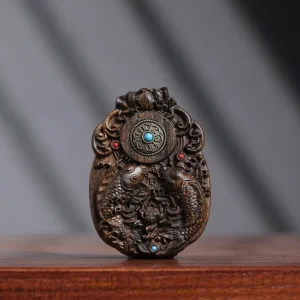
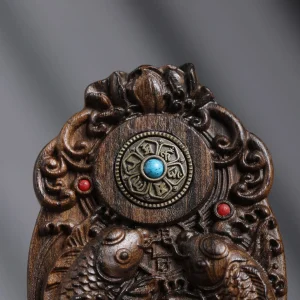
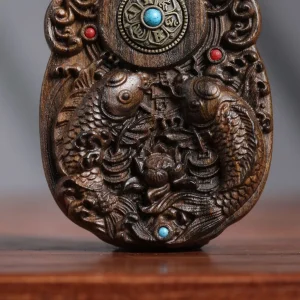
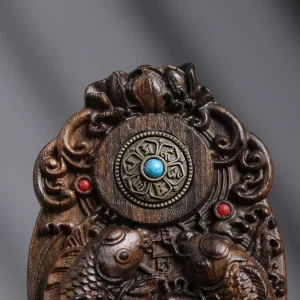
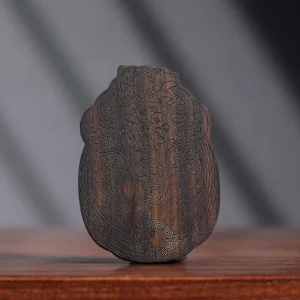
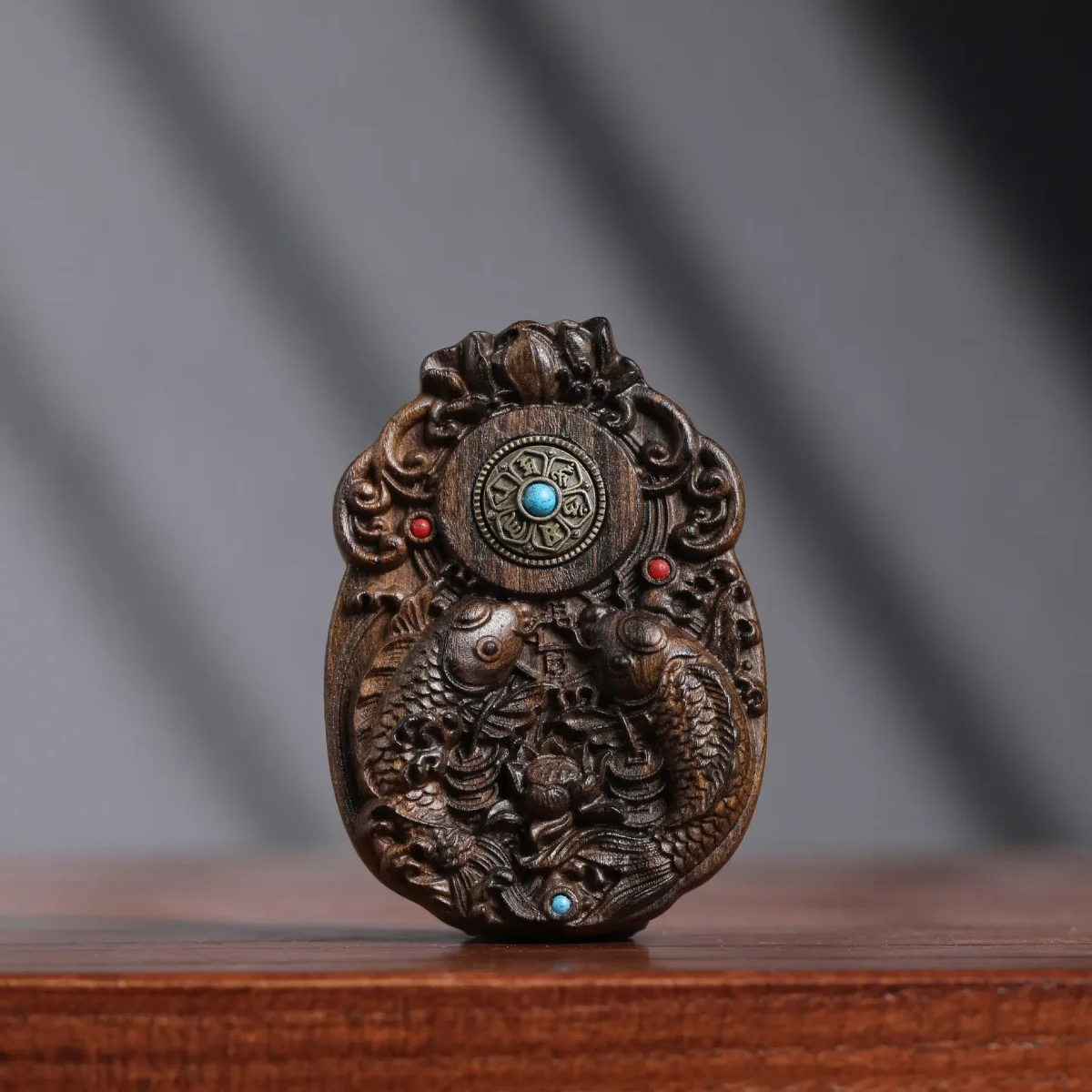
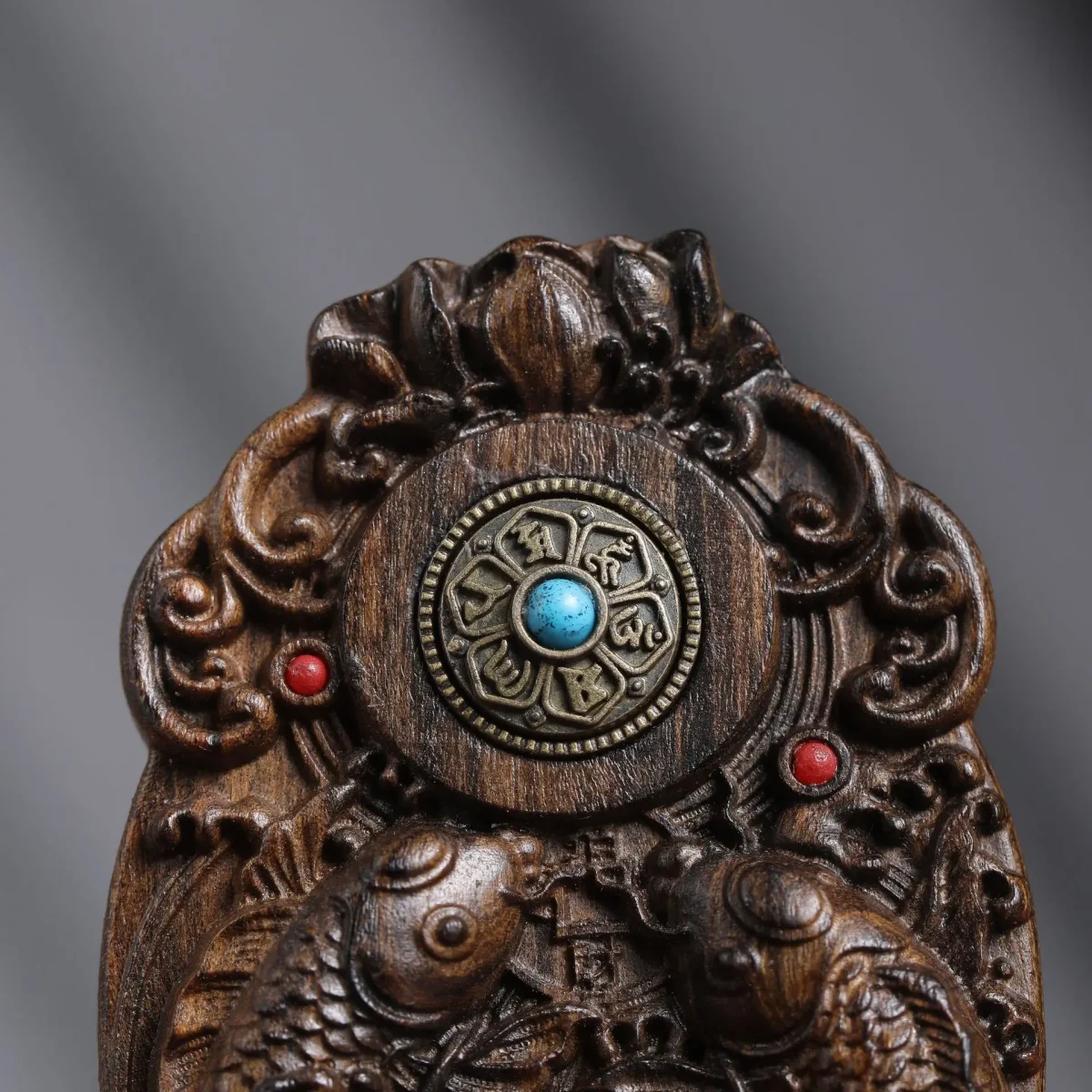
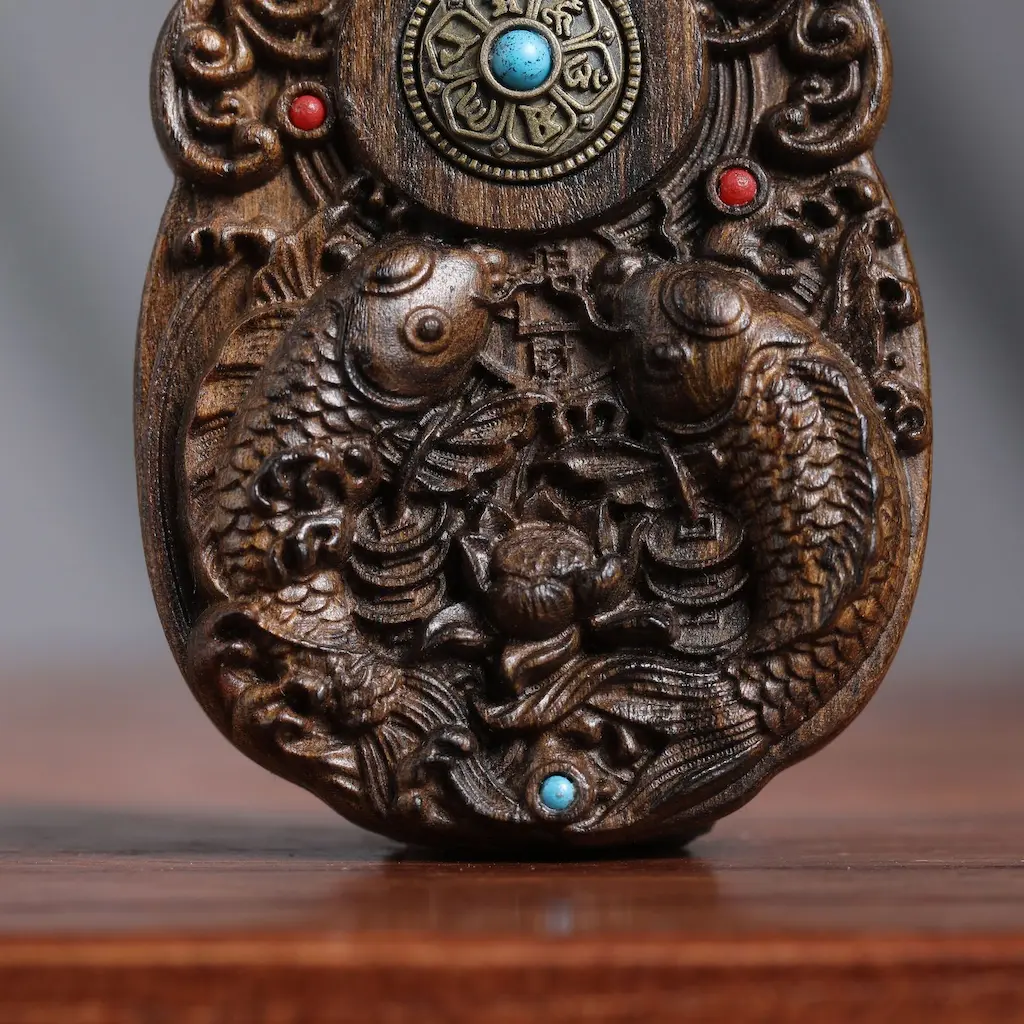
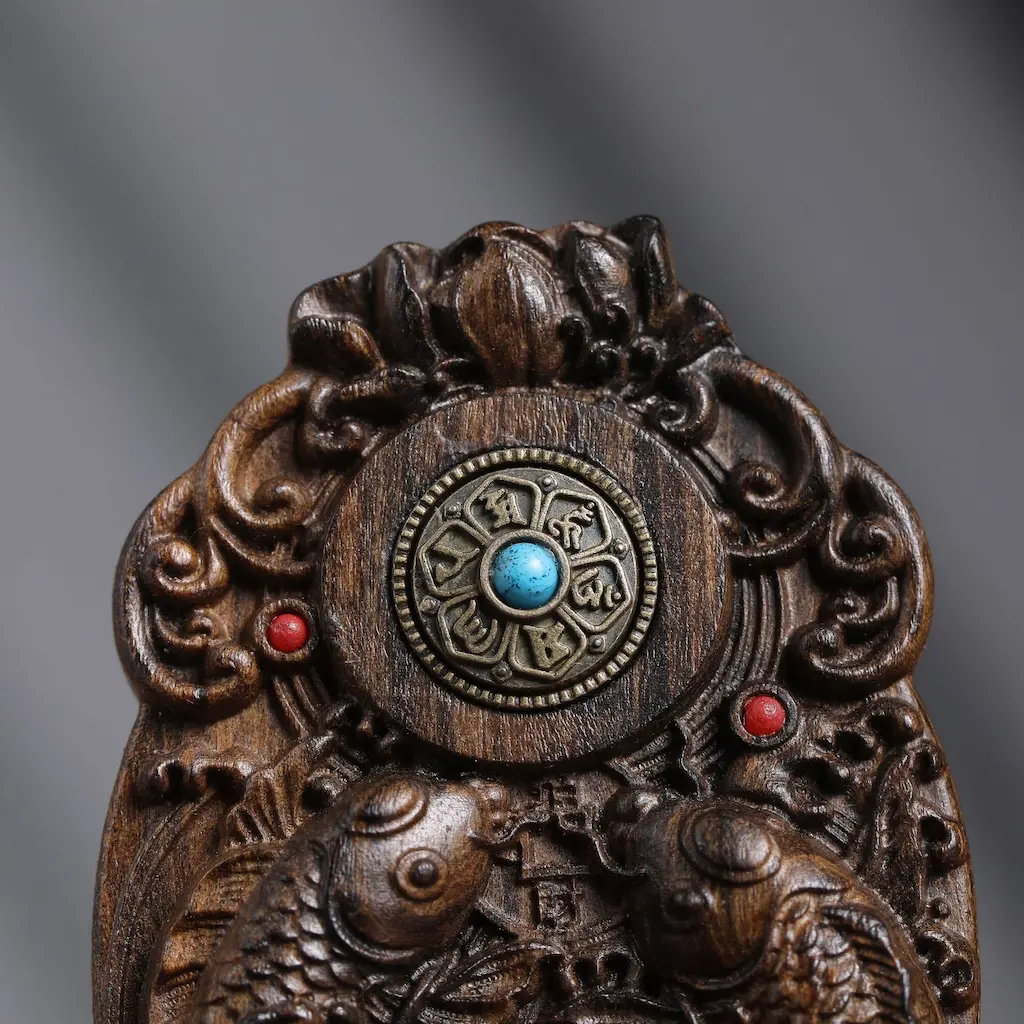
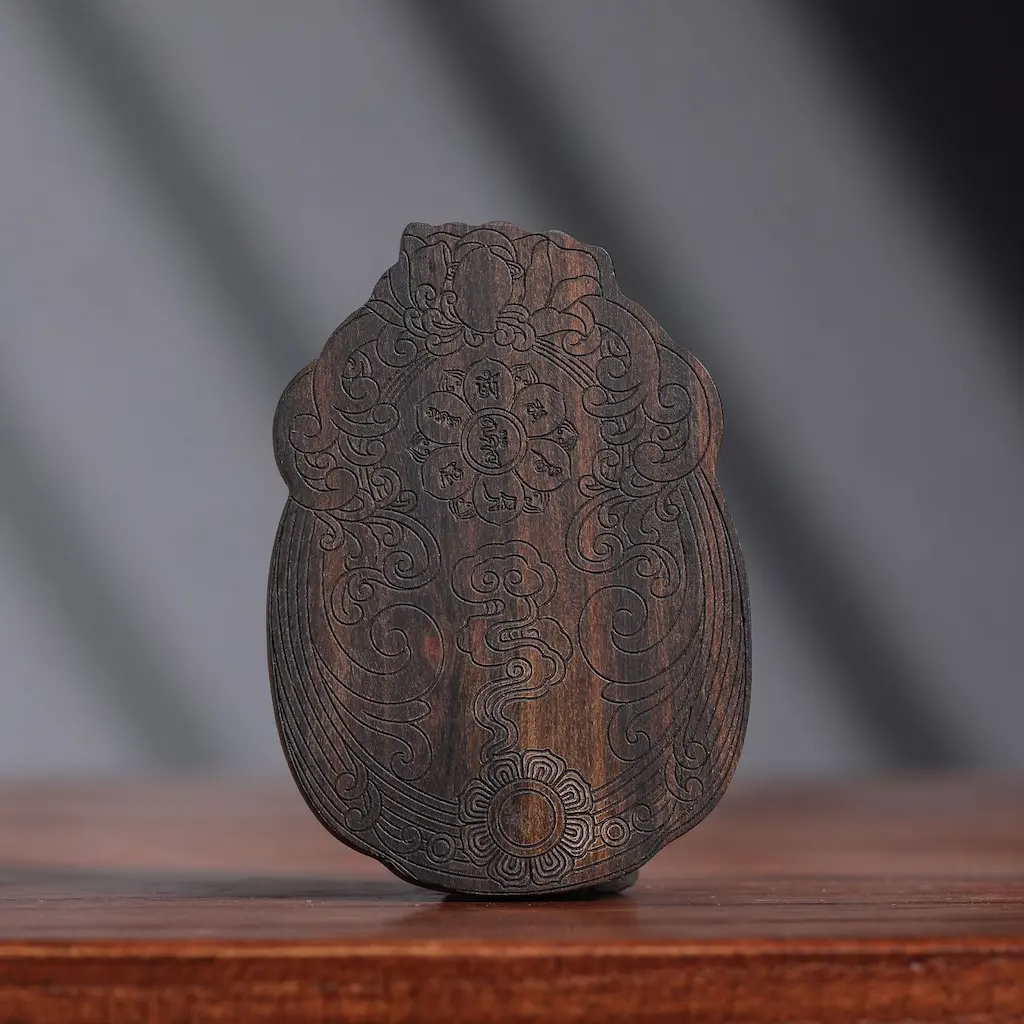
Detailed Agarwood Double Koi Fish Pendant Ornament
-
Perfect Size: Approximately 5 x 7 x 1.5 cm (about 2.0 x 2.8 x 0.6 inches), complete with a handcrafted cord making it an ideal size for versatile display as a car charm or home ornament.
-
Intricate Craftsmanship: A highly detailed wooden sculpture featuring a double koi fish motif, accented with a turquoise-colored center and red beads.
-
Rich Symbolism: Features traditional Eastern design elements symbolizing harmony, balance, and the positive flow of time.
Material and Etiquette Guidelines for Specific Items
Different types of amulets carry distinct cultural guidelines. How you wear them often depends on what they represent.
Buddha and Guan Yin Pendants: When wearing figures of revered figures like the Buddha or Guan Yin, the primary rule is basic respect. It does not matter whether the pendant is inside or outside your shirt. What matters is placement. Culturally, these items should always be worn above the waistline, typically around the neck or chest. Allowing a Buddha pendant to fall below the waist or keeping it loose in a lower pants pocket is viewed as culturally disrespectful. Tucking it inside a clean shirt or wearing it over your collar are both perfectly acceptable ways to honor the piece.
Feng Shui Symbolic Items: Amulets designed around Feng Shui concepts, such as the Pi Xiu or specific animal zodiac carvings, are typically worn to symbolize the attraction of good fortune. Because these are symbolic “active” items, many people prefer to wear them outside their clothing. From a practical standpoint, these items often feature deep, intricate engravings that can trap dead skin cells and sweat if worn closely against the chest. Wearing them over a shirt keeps the intricate carvings clean and sharp.
Cloth and Paper Charms: If you own an amulet made of woven fabric, or a small pouch containing traditional calligraphy, it should almost never touch bare skin. Fabric and paper have zero resistance to body moisture. Sweat will quickly ruin the structural integrity of the material and blur any ink inside. These items should strictly be worn over clothing, attached to the outside of a garment, or carried securely in a clean pocket or bag.
Balancing Comfort and Practicality
Ultimately, how you wear your amulet should fit seamlessly into your lifestyle. If you work in a conservative office environment, tucking a pendant under your shirt allows you to keep your personal items private. If you are doing heavy physical labor or exercising, you might want to wear it outside your shirt—or take it off entirely—to prevent a heavy pendant from bouncing against your chest or getting damaged. Treat the amulet as a meaningful piece of jewelry. As long as you handle it with basic care and keep it clean, it will remain a lasting piece of your collection.
FAQ: Practical Questions About Wearing Amulets
1. Can I wear multiple amulets on the same necklace?
Yes, it is common to wear multiple amulets on one cord. Visually, people often arrange them in odd numbers (like three) to create a symmetrical, balanced look. However, be mindful of the materials. Hard stones like jade can easily scratch softer materials like wood or gold plating if they constantly clink together as you walk.
2. Should I take my amulet off when taking a shower?
Always remove your amulet before showering or swimming. Hot water, soaps, and shampoos can degrade the protective coatings on wood, tarnish metals, and weaken the fibers of the necklace cord. Even if an amulet is in a plastic or acrylic casing, steam from a hot shower can gradually seep inside and cause internal condensation.
3. What is the best way to clean my amulet after wearing it?
For daily maintenance, simply use a soft, dry microfiber cloth to wipe away any dust, oils, or fingerprints before you put the item away. Avoid using harsh chemical jewelry cleaners, especially on porous materials like natural stone, wood, or painted surfaces, as these chemicals can strip the finish and permanently damage the item.
4. Is it culturally acceptable for other people to touch my amulet?
Generally, it is best to treat amulets as personal items. Because they are often worn close to the body and hold personal significance, casual handling by strangers is usually discouraged in Asian traditions. If someone else handles it and gets it dirty, you can simply wipe it down with a damp cloth and dry it thoroughly.
5. What should I do with my amulet when I sleep?
You should take your amulet off before going to bed. Practically, rolling over onto a hard pendant can cause bruising to your chest or accidentally snap the necklace cord. Culturally, taking it off and placing it in a clean, elevated spot—like a bedside table or a jewelry box—is viewed as a simple sign of respect for the item.
