
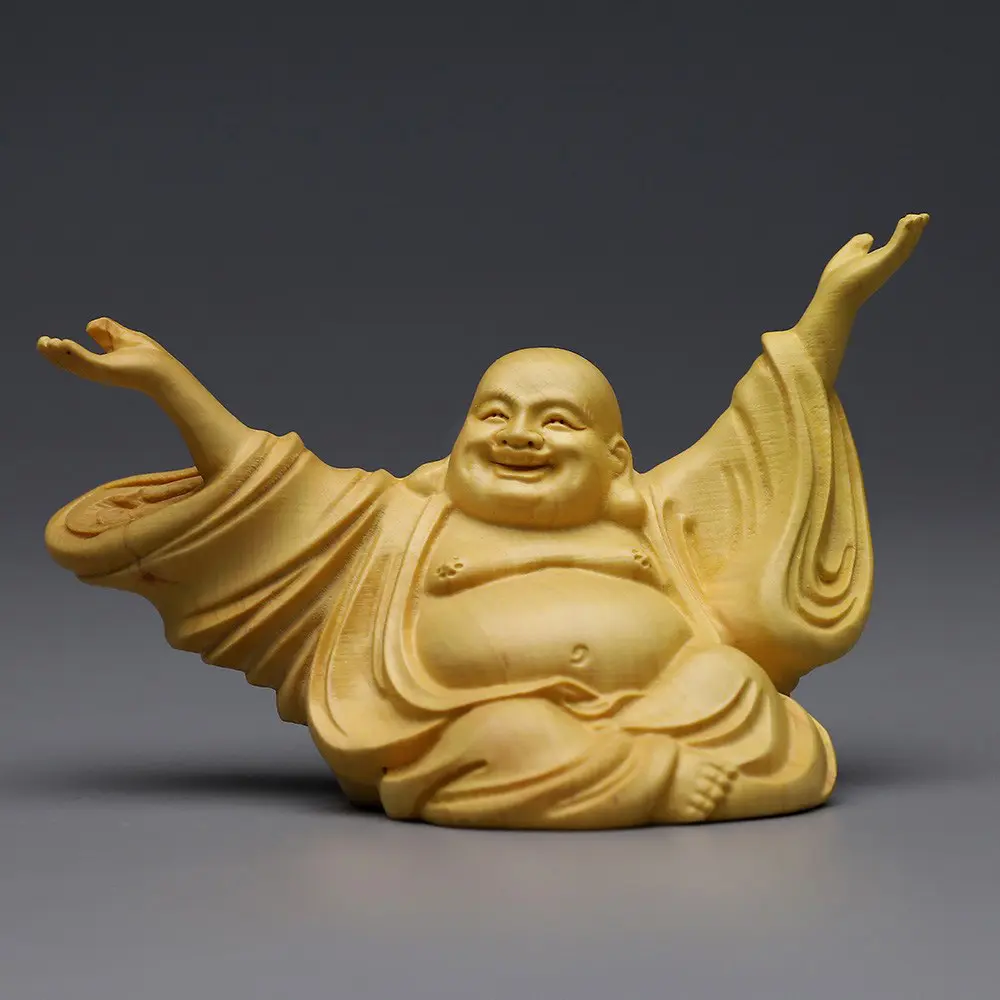
The figure we affectionately call the Laughing Buddha is perhaps the most beloved icon of joy and prosperity in Eastern culture. However, a common misconception is that he is Siddhartha Gautama (the historical Buddha).
In reality, the Laughing Buddha represents a unique blend of historical fact, Buddhist theology, and ancient folklore. Here is a deep dive into who he is and why his presence remains a staple in homes and businesses worldwide.
1. The History: From Monk to Legend
The Laughing Buddha is based on a historical figure—a Chinese Zen monk named Budai (or Hotei in Japanese) who lived during the Later Liang Dynasty (10th century).
- The Eccentric Monk: Budai was known for being a happy, rotund man who wandered from village to village carrying a large cloth sack (budai literally means “cloth bag”).
- The Friend of Children: He was famous for handing out sweets and small toys from his bag to children, embodying a spirit of selfless giving.
- The Incarnation: According to legend, just before he passed away, Budai recited a poem revealing himself to be the incarnation of Maitreya Buddha (the Future Buddha). Since then, Chinese tradition has depicted Maitreya not as a slender, meditative figure, but as the jolly, pot-bellied “Laughing Buddha.”
2. The Symbolism: Every Detail Tells a Story
When you look at a Laughing Buddha statue, every physical attribute is a symbolic “code” for a better life.
- The Large Belly: In Eastern culture, a large stomach represents abundance and generosity. It is said that his belly is “large enough to contain all the troubles of the world,” transforming them into joy.
- The Sack (Cloth Bag): This is his most iconic attribute. It is believed to represent two things: first, he gathers people’s sadness and worries into the bag; second, the bag is an inexhaustible source of wealth and gifts to be shared.
- The Smile: His laughter represents the “enlightened state” of being—the ability to remain blissful regardless of life’s hardships.
- The Beads (Mala): Often draped around his neck, these represent constant meditation and spiritual wisdom.
3. Different Poses and Their Meanings
Depending on what the Buddha is holding or how he is sitting, the “energy” he brings to a space changes:
- Holding a Gold Ingot or Coins: Focuses on Wealth and Prosperity. Ideal for offices or the “Wealth Corner” of a home.
- Holding a Fan (Oogi): Symbolizes the Banishing of Troubles. The fan is said to “sweep away” bad luck and unhappiness.
- Holding a Wu Lou (Gourd): Focuses on Health and Longevity. The gourd is a traditional symbol for healing.
- Surrounded by Children: Represents Family Luck and fertility. It is often gifted to couples wishing to start a family.
- The Traveling Buddha (with a staff): Represents Protection for those on a journey or success in business ventures.
4. The Material Matters
In the world of Asian art and Feng Shui, the material of the statue adds another layer of meaning:
- Wood (like Ebony or Boxwood): Represents growth, vitality, and flexibility.
- Brass/Metal: Represents clarity, logic, and the “cutting through” of obstacles.
- Sandstone/Stone: Represents grounding, stability, and permanence.
5. Proper Placement (Feng Shui Tips)
To respect the Laughing Buddha and maximize the “Sheng Chi” (positive energy) he brings:
- Face the Entrance: Place him facing the main door to “greet” the energy entering your home and turn it into good fortune.
- Height Matters: Never place a Buddha statue on the floor. He should be placed on a table or shelf at least 30 inches high (around eye level).
- The “Belly Rub”: Tradition says that if you rub the Buddha’s belly daily with a positive intention, it will bring you good luck and grant your wishes!
Bringing Joy Home
Whether you view him as a religious icon or a symbol of psychological resilience, the Laughing Buddha serves as a daily reminder to be generous, to stay lighthearted, and to find wealth in contentment.
Explore our curated collection of Laughing Buddha Statues at Asian Artsy, from intricately carved Ebony wood to pocket-sized brass protectors.
